

Average Boat Speeds: How Fast Do Different Boats Really Go?
2026-02-13T09:58
Average Boat Speeds: How Fast Do Different Boats Really Go?
Just like cars, different boat models go different speeds. This can be for a myriad of reasons like size, motor, or purpose, but if you’re like us, you probably want to know which ones are fastest.
Let’s break it down so you know how fast different types of boats really go.
What New Boaters Should Know About Speed (Before Buying)
If you’ve ever browsed online boat listings and wondered, “How fast does this thing really go?” this one's for you. One of the most common surprises for first-time buyers is learning that boats, especially recreational ones, aren’t always built for speed.
Between sleek hull designs and powerful engines, it’s easy to assume most boats fly across the water. In reality, speed varies quite a bit depending on what the boat is made for, how it’s powered, and how you actually use it.
Our experts will outline what affects boat speed, what you can realistically expect across different types, and how to avoid picking a boat that doesn’t match your pace or your plans.
What Determines a Boat's Average Speed?
Not all boats are built to hit 50+ MPH, and that’s usually a good thing. Real-world speed depends on several factors:
Hull shape: Deep-V hulls cut through chop but might ride heavier, while flat-bottom hulls plane faster in calm water.
Propulsion type: Outboards, inboards, and sterndrives all behave a bit differently, especially at cruising speeds.
Horsepower: More power can mean higher speed, but weight and hull drag also matter.
Boat size and load: Add passengers, gear, or a full fuel tank and you'll see a drop in speed.
Water conditions: Wind, current, and wave height all influence how fast you can safely go.
Manufacturer specs often highlight top speed under ideal conditions. But for everyday boating, cruising speeds give you a much more accurate picture of what the ride will feel like.
Average Speed of Fishing Boats
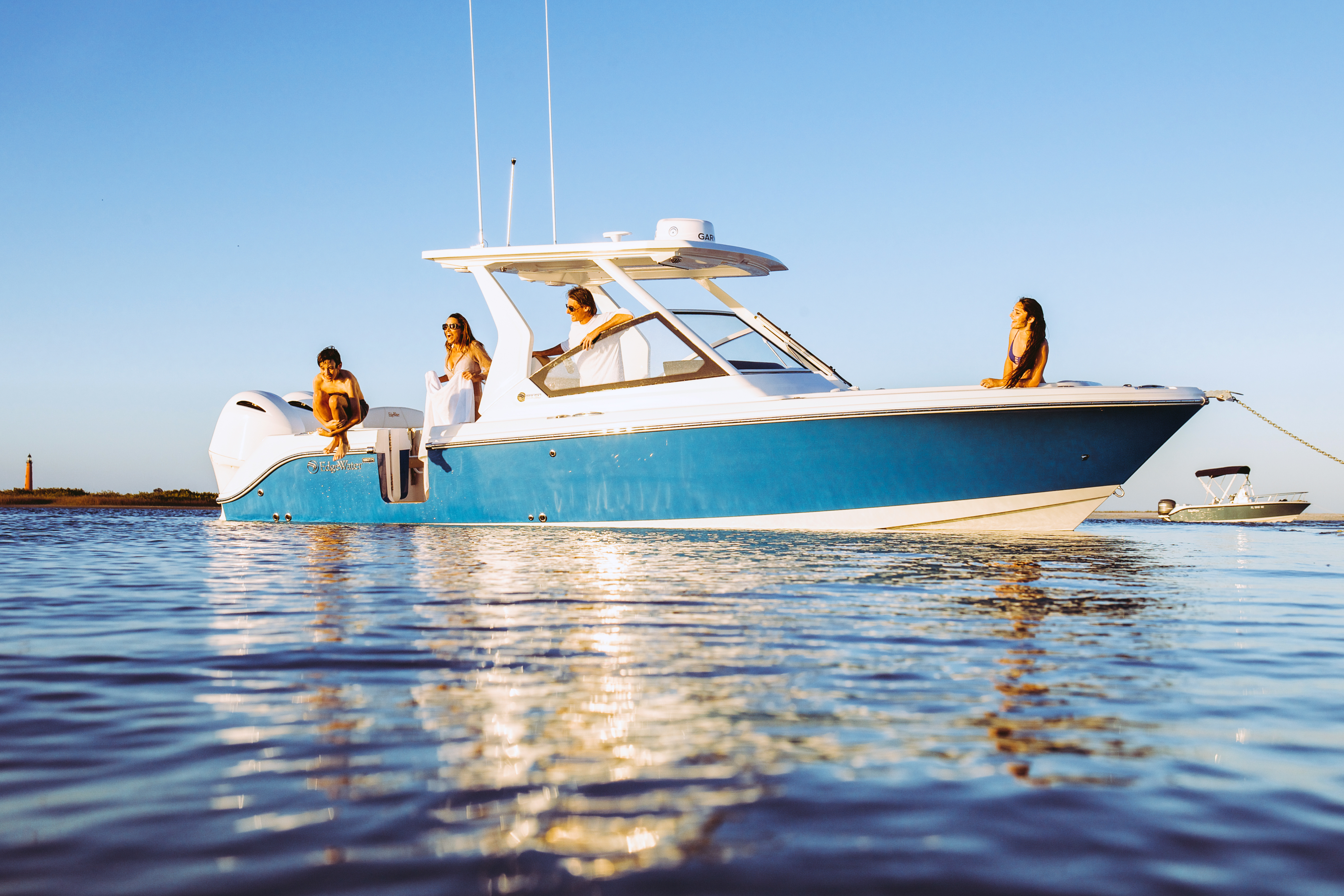
Fishing boats are built for utility first, getting you to the fish and keeping you stable while you’re out there. That said, many models do just fine when it comes to speed, especially smaller fiberglass or aluminum setups with outboard engines.
Average cruising speed: 20–35 MPH
Top speed (varies by size & engine): 40–60+ MPH
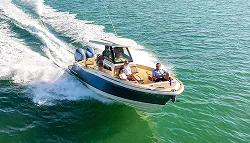
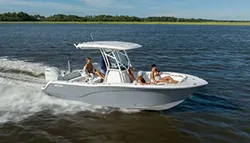
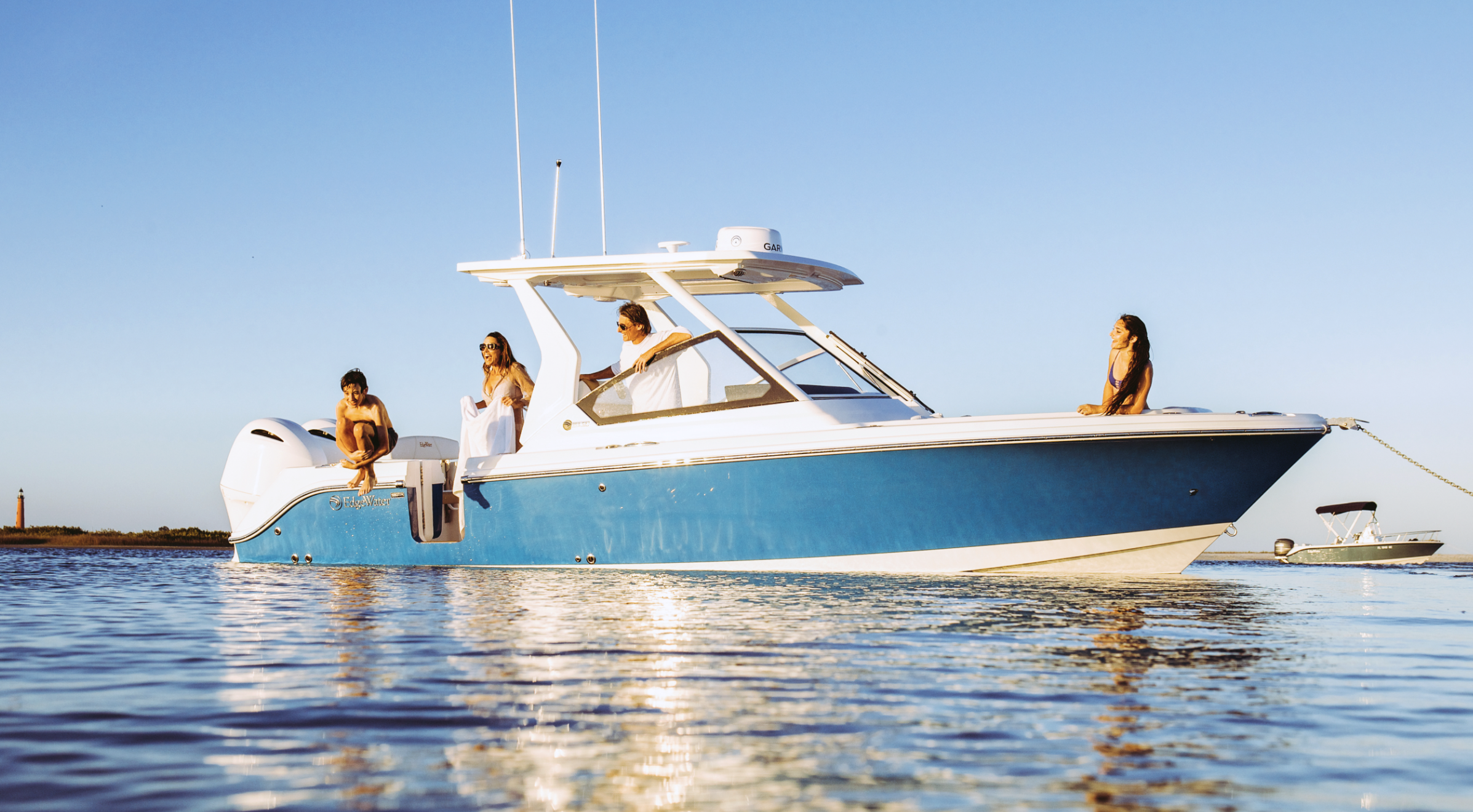
Light aluminum boats, like small bass boats or tiller-steer setups, may reach planing speed quickly but won’t match offshore rigs for stability or power. Larger center consoles, like an EdgeWater boat, can hit higher speeds comfortably, while still offering a smoother ride in chop.
When Speed Matters Most for Fishing
Moving between spots quickly on a full day trip
Beating weather changes back to the dock
Trailering to new lakes or coastal areas with shorter ride times in mind
Average Speed of Pontoon Boats
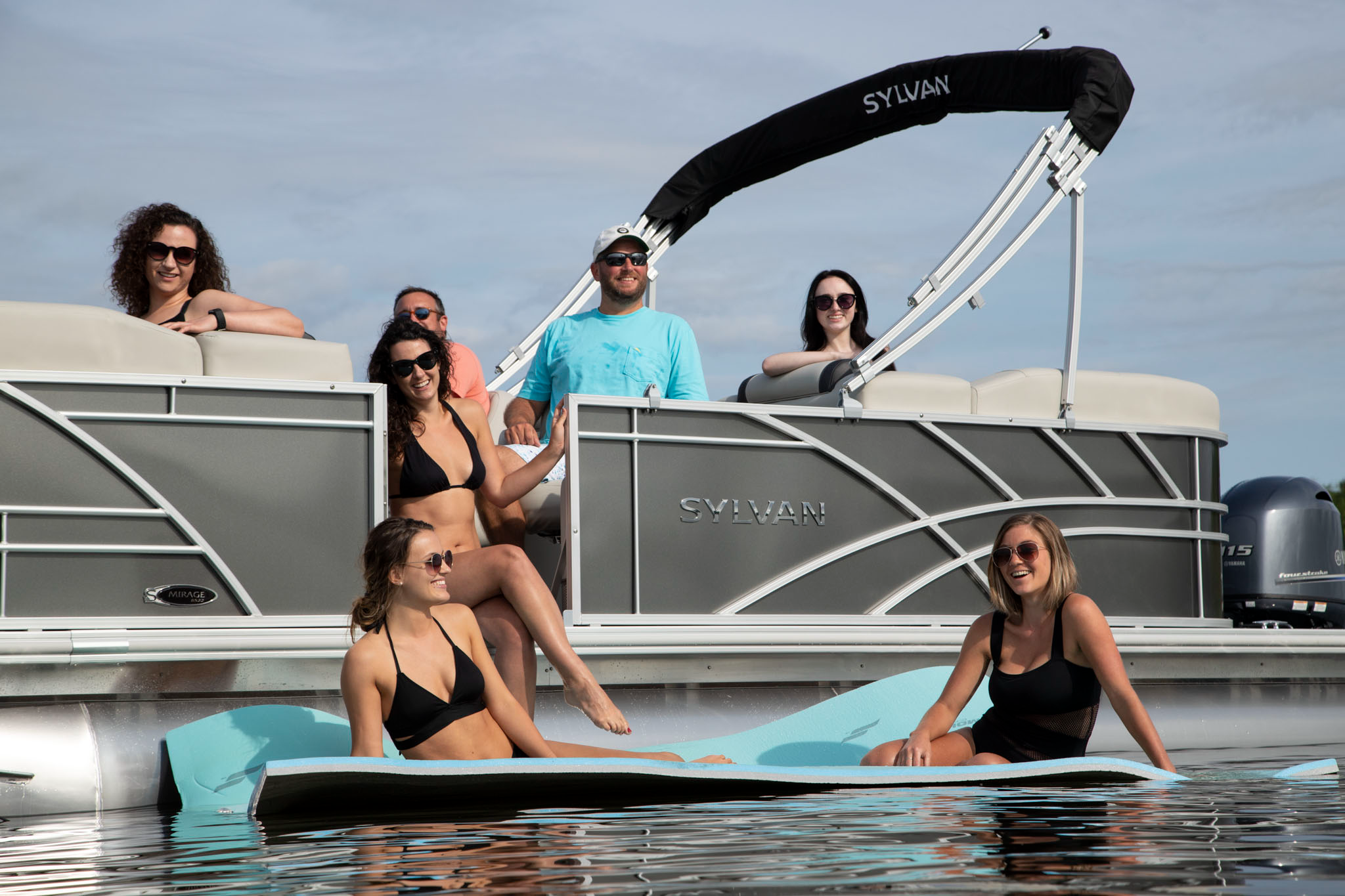
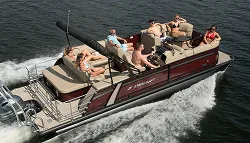
Pontoon boats are made for relaxing, not racing. Older models earned a reputation for sluggish handling, but today’s pontoons with performance packages and higher-horsepower outboards can move faster than many expect.
Average cruising speed: 15–25 MPH
Top speed (with modern engines): 30–45 MPH
It depends on how many pontoons (tubes) the boat has, its horsepower, and how many people are onboard. A modern Sylvan boat with a strong outboard setup can cruise just fine for a day on the lake.
When Pontoon Speed Is More Than Enough
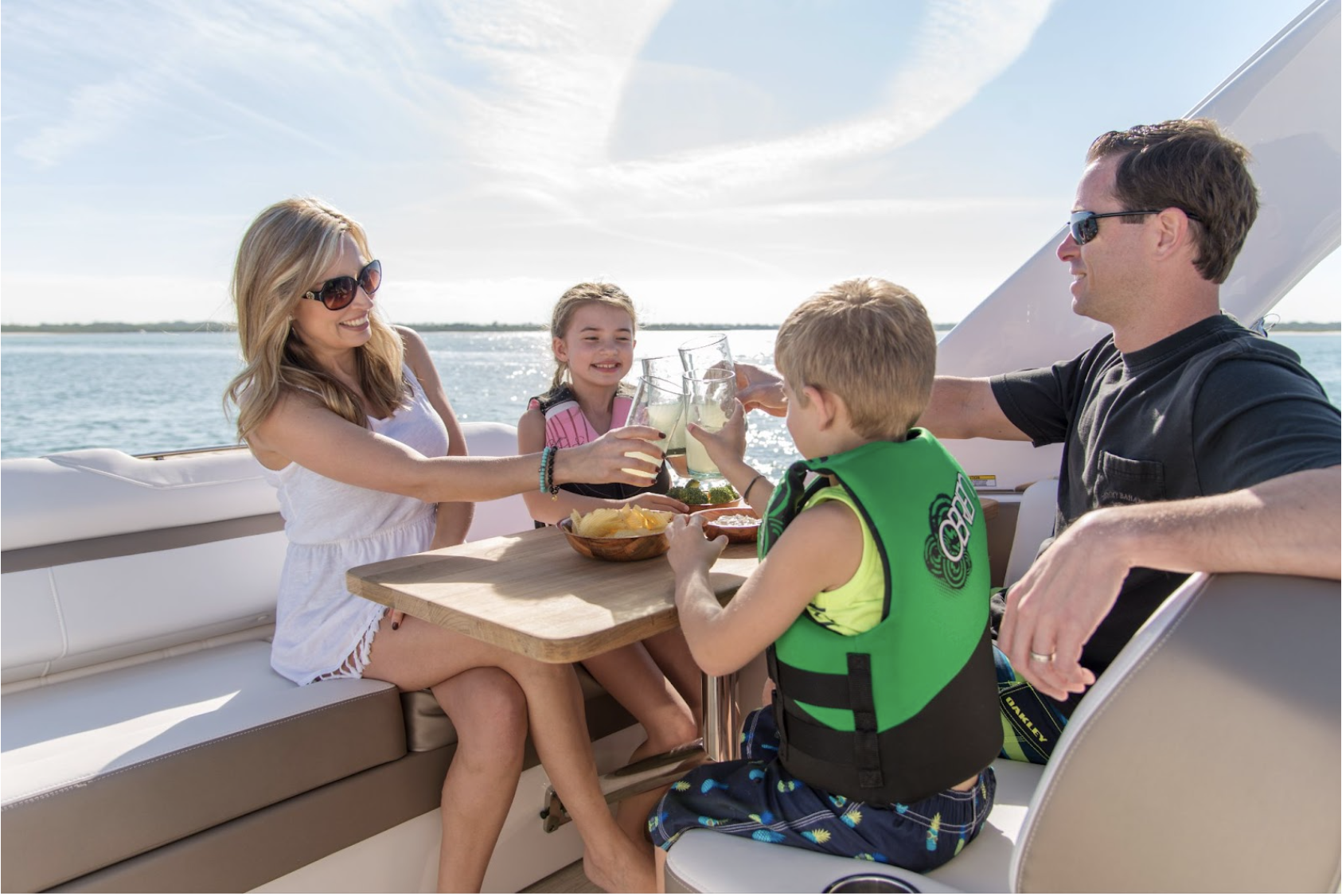
Family cruising and swimming stops
Calm lake days with food, music, and no rush
Long afternoons with kids, pets, or grandparents onboard
Average Speed of Cruisers
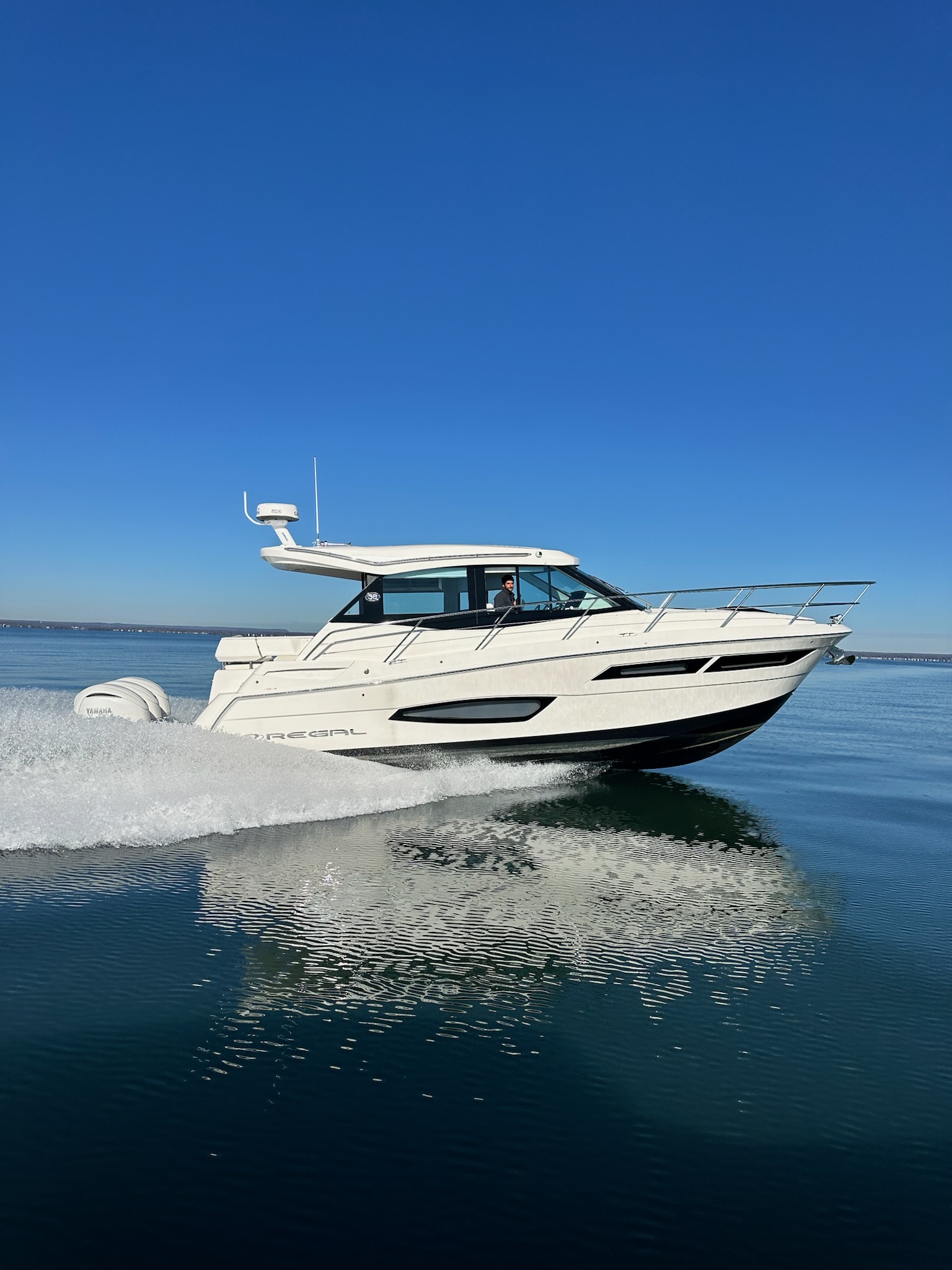
Average cruising speed: 20–30 MPH
Top speed: 30–40+ MPH depending on engines and size
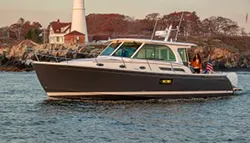
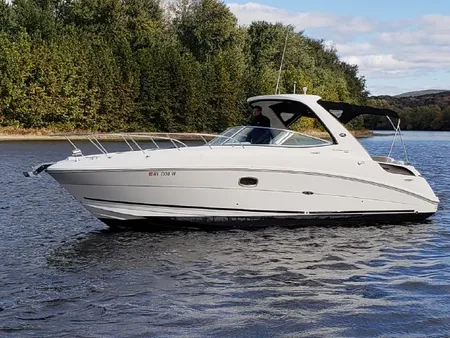
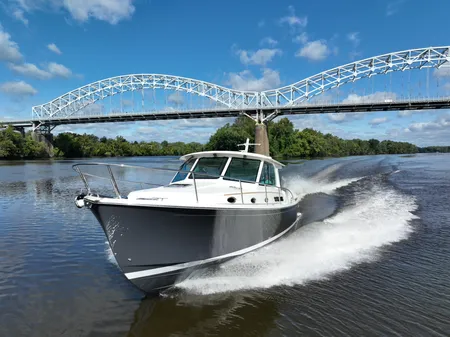
Cruisers like the Regal or Back Cove are made for coastal or long-haul trips. You won’t be zipping around, but you will be getting where you need to go comfortably, without feeling every bump in the water.
When Cruiser Speed Fits Best
Traveling between marinas or anchorages
Comfortable family outings with overnight plans
Cruising Long Island Sound or Narragansett Bay at a steady pace
Average Speed of Yachts
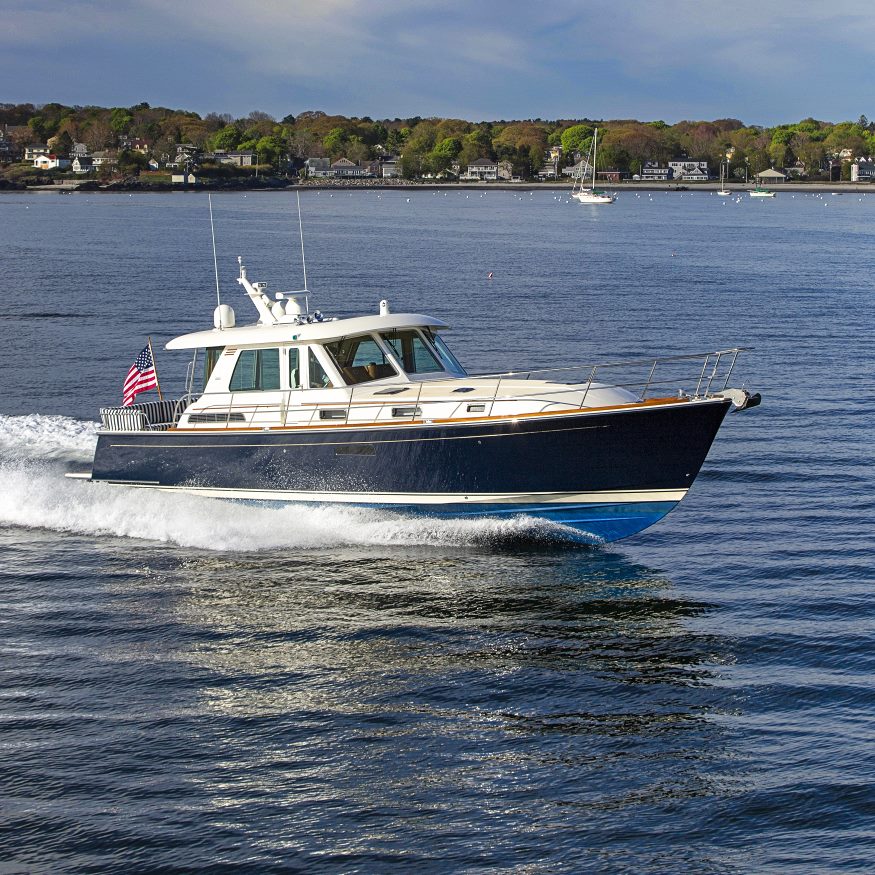
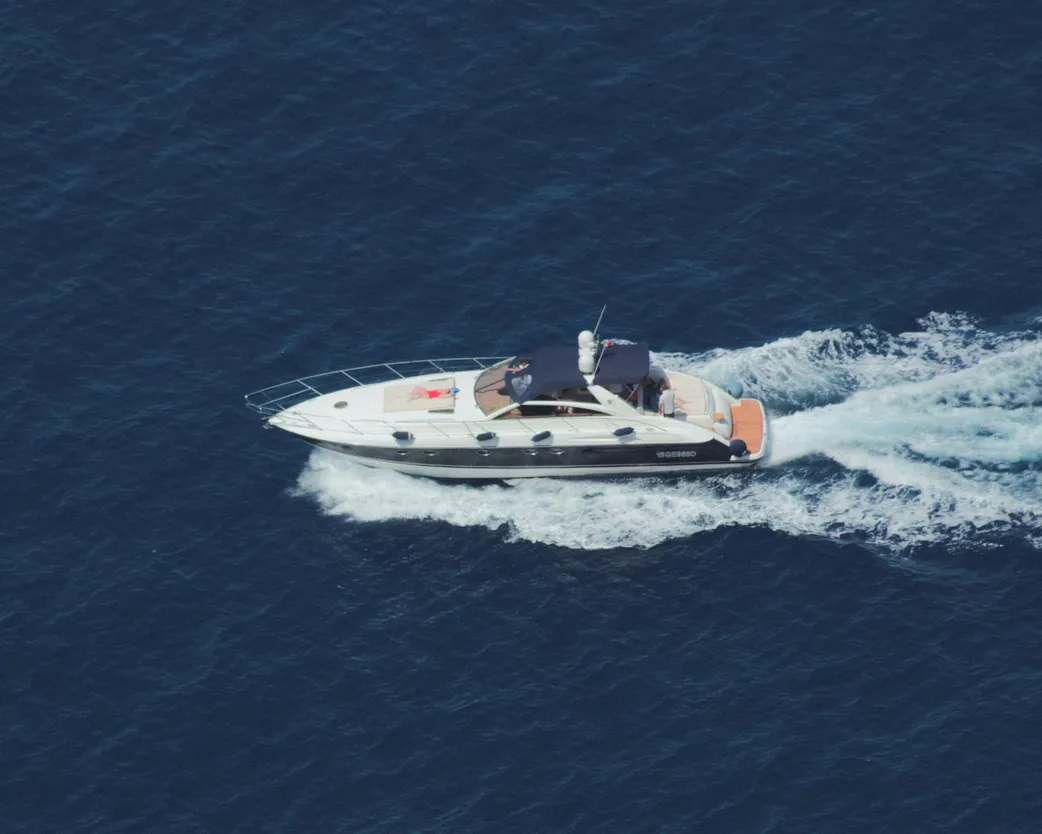
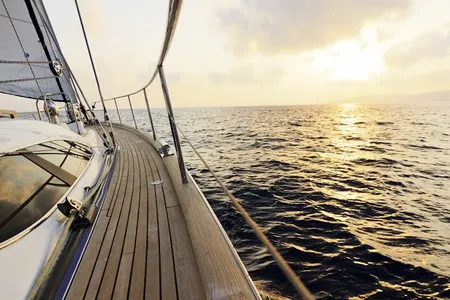
Yacht speeds vary widely depending on their size, hull type (planing or displacement), and purpose. Generally speaking, most motor yachts cruise between 18–28 MPH, even if their top speeds are higher.
Cruising speed: 15–30 MPH
Top speed: 30–40+ MPH (planing yachts)
In displacement-style yachts built for long passages, you’ll see lower cruising speeds (often under 15 MPH), but with greater fuel efficiency and range. These boats are built to glide through open water.
When Yacht Speed Really Matters
Covering long distances efficiently
Balancing fuel use with time underway
Staying comfortable for passengers at speed
Choosing the Right Boat Based on Speed and Lifestyle
Most buyers over-prioritize speed in the beginning and then never use it.
It’s natural to want a powerful engine or a boat that can hit 50 MPH. But the reality is, most time on the water happens at cruising speeds. You’ll be adjusting for weather, waves, and what makes the ride enjoyable for everyone onboard.
Ask yourself:
Will you mostly cruise, fish, or entertain?
How often do you need to travel long distances quickly?
Who’s usually onboard? Are they comfortable at higher speeds?
What feels fun and what feels rushed?
Speed is nice to have. But predictable performance, easy handling, and fuel-efficient cruising often matter more in the long run.
New vs. Pre-Owned Boats and Speed Performance
Wondering if a used boat will still perform the way you expect? It often can, especially when it’s been properly cared for. Engine condition plays a big role in cruising and top-end speed, and things like worn props, buildup on the hull, or outdated electronics can quietly affect performance over time.
On the flip side, a clean, well-serviced pre-owned boat can run just as well as a newer model that hasn’t been maintained as carefully. At Petzold’s Marine Center, we take the time to inspect the boats we list and help buyers talk through real-world performance so expectations line up with how the boat will actually feel on the water.
Keep Expectations Real and the Ride Better
Not every boat is fast. And that’s okay.
Whether you’re cruising the Connecticut River, fishing the bays, or headed out for a slow pontoon afternoon, matching your boat’s speed to how you actually boat makes all the difference.
If you’re shopping new or pre-owned and speed is part of your decision-making, we’re happy to talk through what matters most. We offer honest input from people who've helped generations of boaters navigate their options. Reach out today!

_(1)_1759948060160.jpg?w=450&format=webp)
_1764614320068.jpg?w=450&format=webp)
_1768498998928.jpg?w=450&format=webp)
_1767773851727.webp?w=450&format=webp)
_1768330537507.jpg?w=450&format=webp)
_1770912535409.png?w=450&format=webp)
_1770994690031.png?w=450&format=webp)
_1773693060881.png?w=450&format=webp)