
How to Enjoy Your Boat in the Winter
2026-10-28T10:14
For most Connecticut and Rhode Island boaters, the arrival of colder weather means it's time to put the boat away until spring. But for those who keep their vessels operational, there may still be opportunities to enjoy the water during the colder months.
Cold-weather cruising, seasonal fishing, and sightseeing can offer a different perspective on familiar waterways. Of course, winter boating in New England comes with its limitations. Freezing temperatures, changing weather conditions, and reduced marina services mean that getting out on the water takes extra planning.
If you're considering keeping your boat in use beyond the traditional boating season, here's what to know about winter activities, preparation, and staying safe.
Can You Still Go Boating in the Winter?
Yes, you can still go boating in the winter, but it isn't practical for everyone, especially in Connecticut and Rhode Island.
Boating during the winter months can be an enjoyable experience when conditions allow. However, most local boat owners choose to winterize and store their vessels until spring. For New England Boaters, we always face below freezing temperatures. We recommend winterizing your boat and shrink wrapping it for the off-season as it is best for your vessel. Suitability largely depends on:
Local weather conditions (Northeast boaters should be mindful of freezing temperatures and changing conditions)
Water conditions and ice presence
Your type of boat
Availability of marina and launch services
What type of onboard equipment you have
Your level of boating experience
If your vessel remains operational (rather than winterized)
If your boat has already been winterized, it shouldn't be operated without following the appropriate recommissioning procedures.
Plan a Cold-Weather Cruise
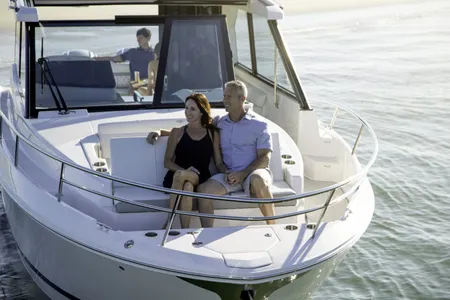
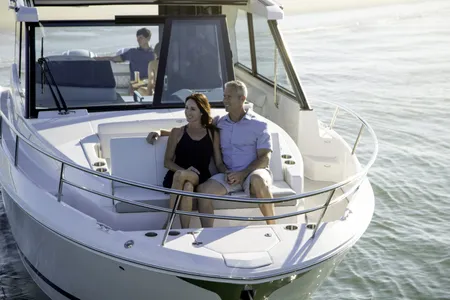
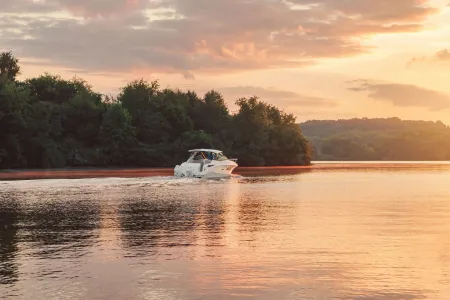
For boaters who keep their vessels operational during the colder months, an occasional cold-weather cruise can be a nice change of pace. This lets you enjoy local waterways when they're typically less crowded and take in seasonal scenery with friends and family.
However, winter cruising isn't practical for every boat or every day. Due to the possibility of rapidly changing weather conditions, any cold-weather boating should be planned with the following in mind:
Select shorter routes
Know the forecast
Travel within a safe distance of the harbor
Account for shorter days and less daylight, and plan an earlier return to avoid boating in darkness
Know what fuel docks and marinas are operating
Don't boat if the weather or water conditions appear unsafe
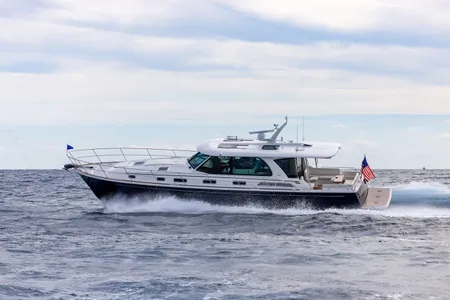
The right boat can also make winter boating more comfortable. For a balance of comfort and performance, explore Petzold's selection of Regal boats for recreational cruising.
Try Winter Fishing
If you're an avid angler, certain fishing opportunities may continue into the colder months.
Before planning a winter fishing trip, check current fishing regulations and confirm which species are available in your area. Just like planning a seasonal cruise, plan your fishing trip wisely. Consider the following:
Know seasonal fishing regulations and what opportunities are available locally
Prepare your tackle and equipment for cooler conditions
Choose appropriate cold-weather clothing to fish in
Plan shorter fishing excursions
Always monitor the forecast in case conditions change
Enjoy Quieter Days on the Water
Beyond the activities you may still be able to do on the water during the colder months, winter boating can offer a different perspective. When conditions allow, waterways are typically less crowded, letting you take in scenic views and seasonal wildlife in a more relaxed setting.
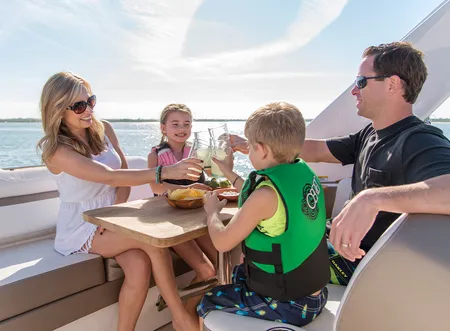
Whether you're bringing a camera to capture the season or spending time with family and friends, an occasional cold-weather outing can be a nice change of pace for boaters who keep their vessels operational.
Dress for Cold-Weather Boating
Winter fishing and cruising can be a unique, enjoyable experience, but you still need to boat safely. It often feels colder than the actual temperature because of wind exposure on the water. It's also crucial to consider not just air temperature, but water temperature. With that in mind, layer your clothing and wear waterproof outer layers to stay warm and dry.
Your footwear is also important. Consider wearing two pairs of socks and insulated boots to keep your feet warm. Also pack gloves and winter hats. Pack extra clothing in case you get wet.
Make Winter Boating Safety a Priority
Wondering how to boat in the winter? It all starts with safety. Here's a closer look at everything you need to consider from a safety standpoint before heading out on the water.
Check the Weather Before Leaving
One of the most important things you can do is know the weather and continuously monitor it throughout your excursion. Check marine forecasts so you know what to expect as it pertains to wind, waves, precipitation, visibility, and expected temperature changes. If the forecast makes you uncomfortable or gives you hesitation, we suggest going out on a different day.
Wear the Right Life Jacket
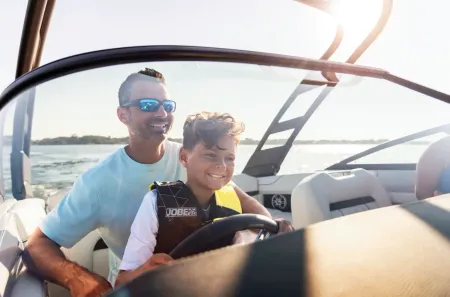
A properly fitting, U.S. Coast Guard approved life jacket is essential year-round, but it's even more critical during winter boating. If you go overboard, the shock of cold water can make swimming or treading water extremely difficult. Wearing a life jacket can save your life, especially in cold conditions.
File a Float Plan
Tell someone not traveling with you your boating plan; it's another key cold-weather boating tip. Tell a trusted person where you're going, your planned route, who you're going with, and when you expect to begin and return.
Bring Reliable Communication Equipment
In an emergency, know how to get help. Make sure your cell phone is charged, and your boat has a working VHF marine radio and appropriate emergency communication equipment. Don't rely on a cell phone as your only means of communication.
Know When Not to Go
If you're uncomfortable with the forecast or expected conditions, stay on shore. While cliché, it's always better to be safe than sorry.
Prepare Your Boat for Cold Weather
Beyond preparing yourself for a cold-weather boating trip, you also need to prepare your boat. Winter boat maintenance should consist of the following:
Checking your engine and batteries
Ensuring you have enough fuel and appropriate de-icers
Checking the plumbing and bilge
Tuning up the heating systems
Ensuring the appropriate safety equipment is on board (i.e., signal flares, marine radio, personal locator beacon, etc.)
Any other manufacturer cold-weather or boat winterization recommendations
Make the Most of Shorter Winter Days
One of the biggest differentiators between summer and winter boating is daylight. In summer, the sun sets later so the days are longer. The opposite is true in winter, and you'll want to prepare for it.
Check sunset times before departing so you're back before dark. Consider leaving earlier and planning an earlier return to maximize your time on the water. Also, check that your navigation lights work, and carry flashlights and headlamps in case you return in limited daylight. While it's best practice to avoid boating in the dark, don't rush back to shore at an unsafe speed.
Keep Up With Maintenance Between Winter Trips
If you keep your boat operational in the winter, proper maintenance is essential. Some of what you'll want to monitor between winter boat trips includes:
The battery condition
Fluid levels
Moisture and freezing temperatures
Engine condition
Plumbing systems
Also, routine maintenance and servicing should happen year-round, not just in season.
Choosing a Boat for Comfortable Cruising
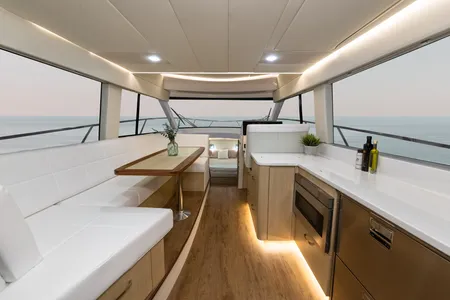
Some boats are better equipped for cooler temperatures than others. If you enjoy extending your boating season into late fall or occasionally getting out during milder winter conditions, certain features can make a noticeable difference.
Here's a look at some features you'll want to consider when making your pick, whether it's a new boat or a pre-owned model:
Enclosed or protected seating areas
Wind protection
Comfortable helm arrangements
Cabin space and comfortable seating
Storage for clothing and gear
Heating or climate-control features
Features vary by model and boat type. For a high-quality cruiser, consider a Regal boat.
Keep Enjoying Life on the Water
For most New England boaters, winter means taking a break from the water and preparing for the next boating season. But if you plan to keep your boat operational during the colder months, know that conditions require extra attention.
Contact Petzold's today to learn more about preparing your boat for colder weather or explore our new and pre-owned boat inventory for the upcoming season. Not planning to boat during the winter? We can also help with storage and winterization needs.
Winter Boating FAQs
Can you go boating during the winter?
Absolutely, though boating may depend on the weather, water conditions, your boat type, how well it's suited for cold-weather operation and any local restrictions.
What should you wear for winter boating?
Layer your clothing to stay warm on the water. We also suggest a wind-resistant, waterproof outer layer, plus a hat and gloves. Bring extra clothing in case anything gets wet.
Is winter boating safe?
Yes, winter boating is safe if you take the right precautions. Be sure to plan for cold temperatures, cold water, ice and shorter daylight hours.
What can you do on a boat during the winter?
You can do most of what you can do on a boat in the summer during the winter months. Winter boating activities include cruising, fishing, sightseeing, photography, wildlife viewing or simply enjoying a ride on less crowded waterways.
Do you need to winterize a boat if you're still using it?
While active boats require different levels of cold-water preparation than those stored during the winter, they still need ongoing maintenance. Follow manufacturer recommendations to protect your systems from freezing temperatures.